LSFRI 'Silava' has received 40 GPS collars and other necessary equipment to be used for moose research within the Interreg Estonia-Latvia cross-border cooperation programme funded research project A unified management system of the moose (Alces alces) population in the EstLat territory (MooseBelt).
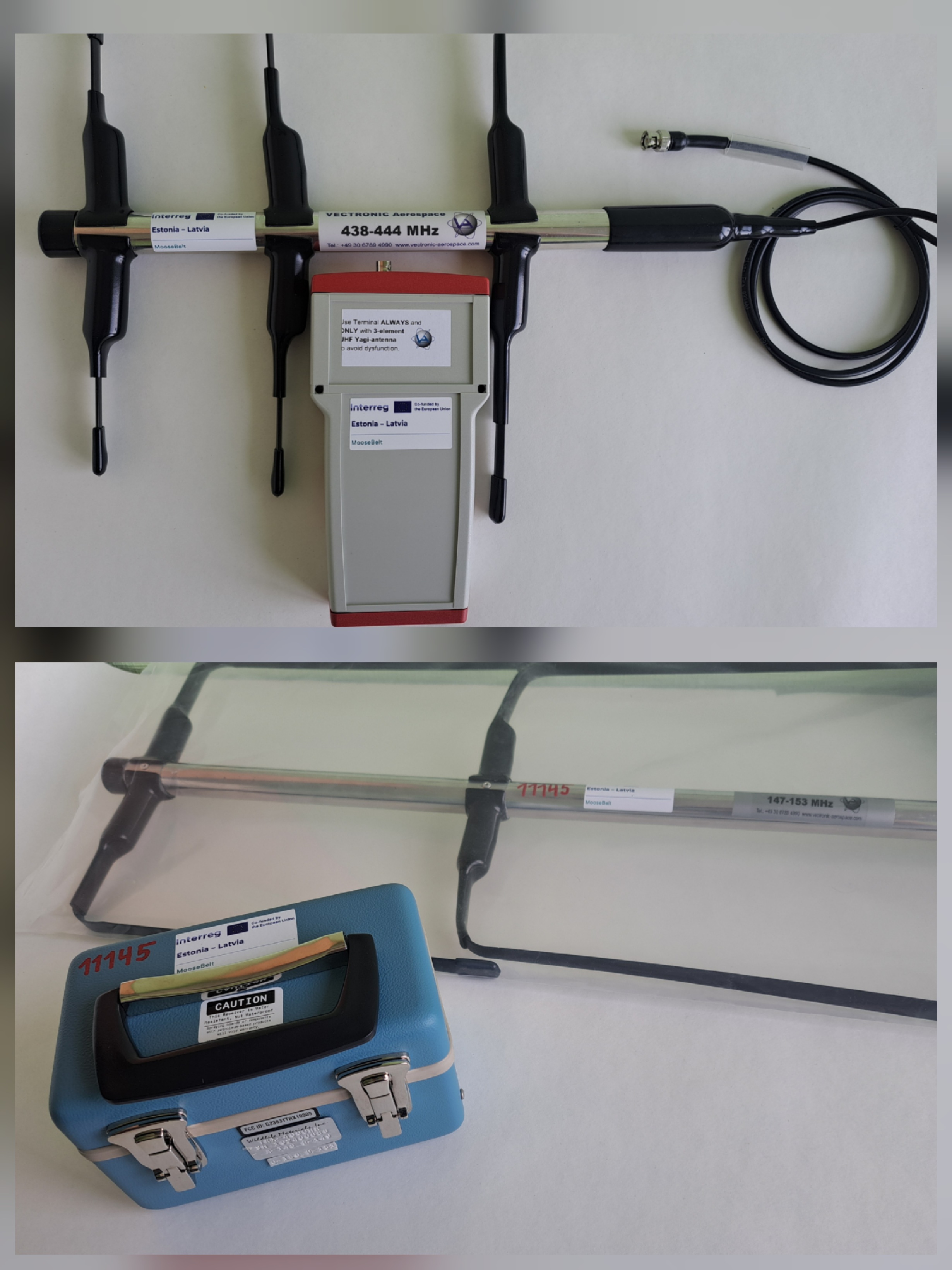
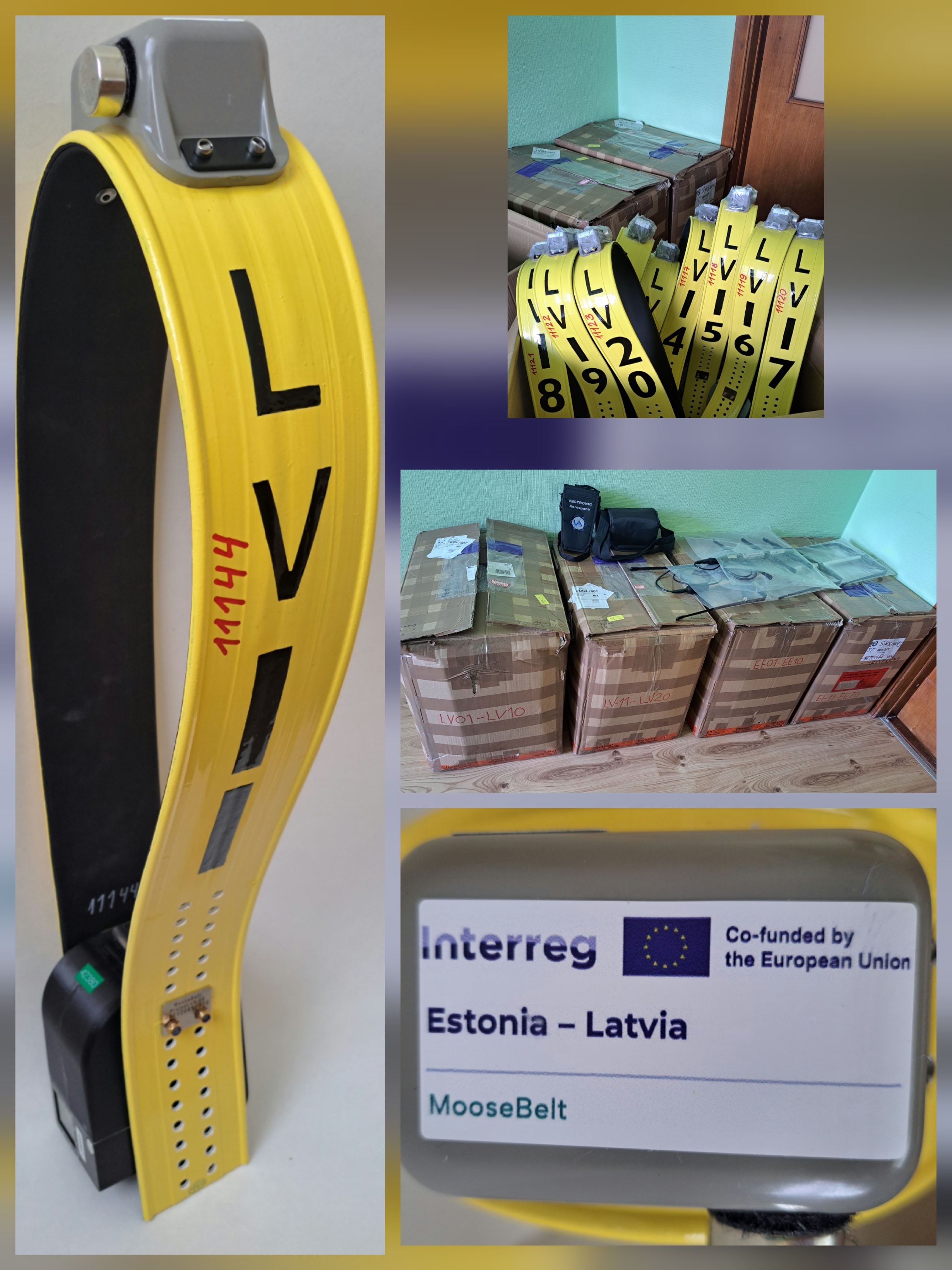
This autumn, our Institute will begin fitting moose in Latvia with GPS collars. The collars will provide regular data on the animals' locations and movements, enabling researchers to study in detail the daily and seasonal movement patterns of moose.
The data collected will help determine which areas moose use during different seasons, the size of their home ranges, and how their movements are affected by forestry, road infrastructure and other environmental factors. The Study will also help assess the spatial connectivity of the moose population in the border region between Latvia and Estonia.
Particular attention in the study is also being paid to innovative research methods. One of the GPS collars will be equipped with a video camera, making it possible to collect visual information about the environment from the animal’s perspective. This will provide new insights into moose feeding behaviour, their responses to human activity and their interactions with other animals, complementing GPS data with information that would otherwise be difficult for researchers to obtain.
Video recorded by a camera integrated into a GPS collar fitted to a moose in Sweden
As part of the Study, 20 mooses in Latvia are planned to be fitted with GPS collars, and another 20 animals to be equipped in Estonia. The data collected jointly by the two countries will help analyse moose movements across the border region and develop scientifically sound solutions for moose population management. The information obtained will also be important for reducing conflicts between wildlife and human economic activities, as well as for more sustainable management of moose populations in Latvia and Estonia.
Further information on the first moose-collaring activities and research findings will be provided.
MooseBelt research project has been implemented under the Interreg Estonia-Latvia Programme 2021–2027. Its aim is to improve moose population management in the Latvian-Estonian cross-border region by applying harmonised monitoring approaches and developing scientifically based solutions. The leading partner of Project is Nature Institute of Excellence, Project partners are Estonian University of Life Sciences, LSFRI 'Silava', Latvian Hunters' Association, Latvian Hunting Union, and Estonian Hunters' Association.